Moisture measurement is the process of determining the water content in a material. It’s a critical factor across a wide range of industries—including agriculture, food processing, construction, and manufacturing—where moisture levels directly affect product quality, process efficiency, and operational safety.
While moisture measurement is essential, it’s often misunderstood. Some claim that “moisture measurement doesn’t work,” but this perception usually stems from using the wrong sensor or technique for the specific material or application. With the right technology, moisture measurement is not only reliable—it’s transformative.
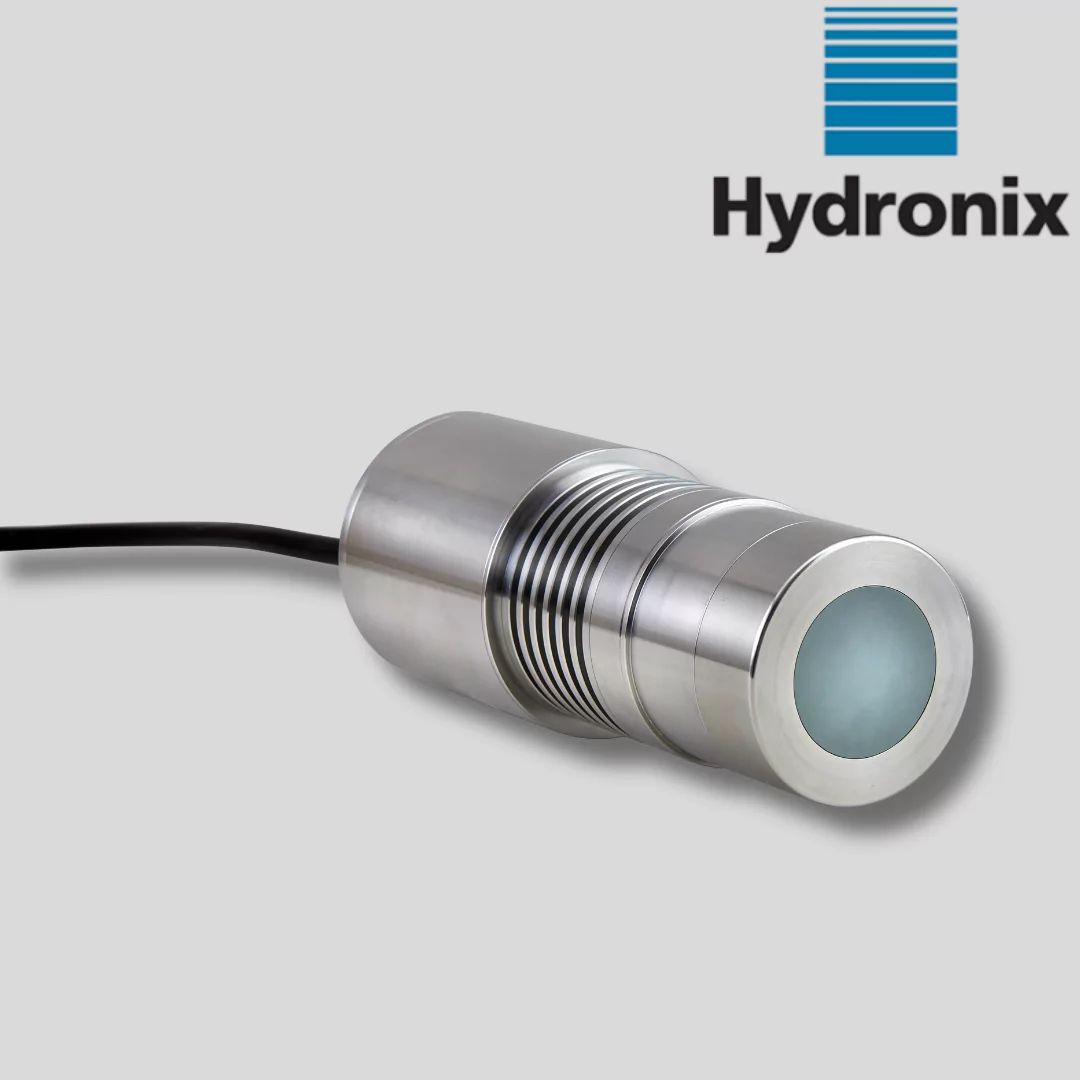
At Allegiant, we understand that no two applications are the same. That’s why we offer precision moisture sensors from Hydronix, designed to deliver accurate, real-time data tailored to your process and material type.
How Is Moisture Content Calculated?
Moisture content is typically expressed as a percentage and calculated using one of two methods:
Wet Basis – Commonly used in agriculture and food processing. It calculates moisture as the ratio of water weight to the total weight of the material (including water).
Dry Basis – Often used in construction and drying applications. It calculates moisture as the ratio of water weight to the dry weight of the material (excluding water).
Why Is Moisture Measurement Important?
Water is naturally present in many raw materials, and controlling moisture content is vital for process optimisation and product consistency. Measuring moisture helps:
Improve material efficiency – Maintain the correct material-to-water ratio
Ensure accurate blending – Achieve the right proportion of dry materials
Optimise production – Many processes perform best at specific moisture levels
Reduce equipment wear – Prevent damage caused by overly wet or dry materials
Minimise waste – Avoid product rejection due to incorrect moisture content
Maintain consistency – Ensure uniform texture, density, and quality

 Skip to content








 Optimized by Seraphinite Accelerator